Animal communication herd animals / guard animals
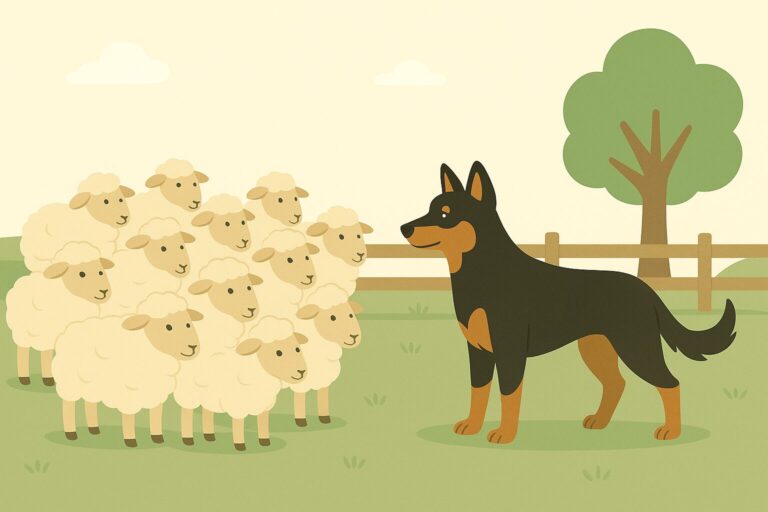
Understand the thoughts of your natural guardian
Your herding animal is a guardian by instinct and passion. With an eye that spans the herd and a heart that beats for protection and order. Its entire purpose is to guard, guide, and keep a living system in balance. But when evening comes and things quiet down, you may ask yourself: Is it satisfied with its role? Does it feel alone in its responsibility? What does it think when the herd is restless?
You see the focused guardian, the effortless authority. But your partner’s inner dialogues and decision-making processes remain hidden. You wish you could look inside its head: “Do you see a danger that I am overlooking? Are you proud of your work? Do you need clear boundaries from me?”
This is exactly what animal communication opens the door to. It allows you to see the world through the sharp mind of your guardian animal and understand what drives its actions, what frustrates it, or what strengthens its natural authority.
What is animal communication and why is it so insightful for herding animals?
Animal communication is a direct line to instinct and judgment. With your herding animal, it’s not about basic commands, but about the mental processes, instinctual satisfaction, and sense of responsibility behind their actions.
Your partner thinks in patterns, movements, and potential threats. They carry an innate psychological burden of responsibility. Animal communication helps you understand this unique working mind, channel their natural instincts, and avoid misunderstandings in your shared leadership role.
When can animal communication enrich your partnership leadership?
You trust his instincts and genetics. But the fine tuning between his innate program and your leadership makes you an unbeatable team.
1. You want to understand its instinctive behavior and job satisfaction.
- Your animal seems underutilized, develops “substitute behavior,” or shows excessive guarding even outside of work.
- You wonder whether the herd size or composition is right for it.
- You want to know whether it finds its job fulfilling or stressful.
What animal communication can do here:
You will learn how your partner experiences its innate instincts. Does it see gaps in its task? Does it feel under- or overwhelmed? Does it understand your role as leader of the herd? This knowledge is the key to providing it with species-appropriate, fulfilling work and preventing misbehavior.
2. Problems in herd leadership or unclear communication behavior
- The herd does not respect its authority as desired, or unnecessary conflicts arise.
- Your animal shows disrespectful or distant behavior towards you in work matters.
- Its decisions in the field suddenly seem illogical or exaggerated to you.
What animal communication can achieve here:
Such dynamics are often caused by misunderstandings in the hierarchy or unclear responsibilities. Animal communication can reveal its view of the herd hierarchy and your role. This allows you to work specifically on clear communication and leadership that it can understand.
3. When introducing new animals or making changes to the herd
- New, inexperienced, or dominant animals are joining the herd.
- The structure or location of the herd is changing.
- There have been incidents (e.g., involving a wolf) that call safety into question.
How animal communication can help here:
You can communicate the change to your partner and find out how they assess the new situation. Does it feel up to the task? Does it see a threat that you don’t see? This joint assessment of the situation strengthens its trust in you as a competent partner.
4. You want to deepen your cooperation on an equal footing
- You appreciate its sharp mind and independent commitment.
- You want a deeper, almost wordless understanding at work.
- You want to show respect for their judgment and service.
What animal communication can achieve here:
You gain fascinating insight into the logic and strategic thinking of your guardian animal. You can express your appreciation for their decisions and make it clear that you are a team. This appreciation greatly strengthens loyalty and job satisfaction.
How does animal communication work for your herd animal?
- Preliminary discussion with you: You describe your herd situation, your questions, and the personality of your animal colleague.
- Contact with the working mind: I make telepathic contact with your herding animal. This is done via a photo.
- Receiving impressions: Herding animals often communicate very objectively in images of movement sequences, feelings of frustration or pride, or concrete assessments of herd members or boundaries.
- Transmission of answers: In our evaluation, we discuss all messages and impressions received. Always with a focus on practical solutions for better herd management and more harmonious team dynamics.
Your likely concerns
- “He works on instinct. Is there anything to ‘discuss’ at all?”
Precisely because his actions are so instinct-driven, understanding these instincts is crucial. Communication is not a contradiction to instinct, but a tool for understanding and optimally guiding it. It helps to channel innate urges into productive avenues. - “He has a clear task and carries it out. That should be enough.”
A herding animal is not a robot, but a thinking partner with a strong need for meaningful tasks and clear leadership. Regular coordination prevents him from redefining his work himself due to a lack of leadership or clarity. Often to the detriment of the herd… - “I’m afraid it could undermine his authority if I ‘ask questions’.”
On the contrary. Clear, respectful communication on your part shows strength and confidence, exactly what a herding animal looks for in its human partner. It’s not about weakness, but about the coordination of two guardians on the same side.
Reviews from satisfied owners
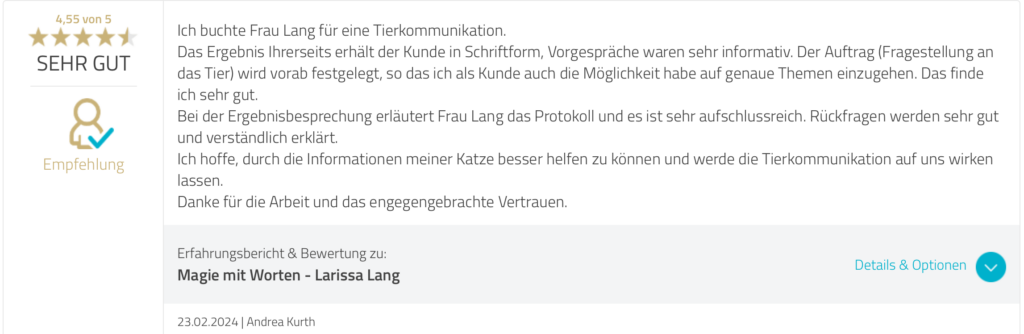
I booked Ms. Lang for an animal communication session.
The client receives the result in writing, preliminary talks were very informative. The assignment (questions for the animal) is determined in advance, so that I as the client also have the opportunity to address specific issues. I find that very good.
At the results meeting, Ms. Lang explains the protocol and it is very informative. Any queries are explained very well and clearly.
I hope to be able to help my cat better with the information and will let the animal communication work on us.
Thank you for your work and the trust you have placed in us.
Andrea Kurth
Satisfied dog owner
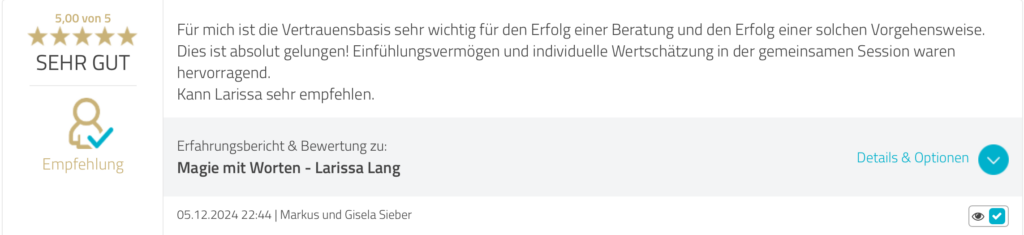
For me, the basis of trust is very important for the success of a consultation and the success of such an approach. This was absolutely successful! Empathy and individual appreciation in the joint session were outstanding.
I can highly recommend Larissa.
Markus und Gisela Sieber
Satisfied clients
Your next step: From commander to strategic partner
If you are ready to get to know the mindset of your natural guardian and take your leadership partnership to a new level, now is the time.
Whether it’s to solve a specific problem or to deepen your unique working alliance, I am here to assist you as a precise mediator.
Your guardian animal has a clear opinion about the herd. Listen to it.
Owners who have sought dialogue report a transformed understanding of their animal and a significantly more relaxed, effective collaboration.
Start the dialogue with your guardian. Book the clarifying conversation for your team now.
Note:
Animal communication and / or surrogate work are not a substitute for veterinary treatment.
However, after consultation with the practitioner, animal communication and / or surrogate work can be used as a supportive measure.
Furthermore, there is no guarantee that the animal will always provide information or, if applicable, suggest solutions.