Animal communication competition animals
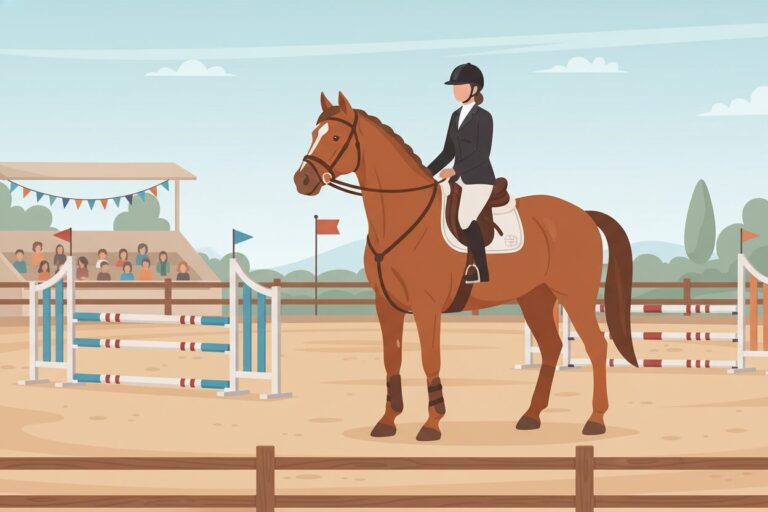
Discover what your sporting partner really thinks and feels
Your competition animal is a top athlete with a soul. It carries not only you and your expectations, but also its own ambition, pride, and perhaps even its insecurities. When it stands under the lights in the arena, you sometimes ask yourself: Does it feel the pressure as much as I do? Is it burning for this moment? Or does it secretly long for the quiet expanse of the paddock?
You see the muscular body, the perfect posture, the rider’s response. But your partner’s inner monologues, doubts, joys, and fears remain hidden. You wish you could open its head: “Are you proud of us? What scares you? Where do you need more from me?”
This is exactly why animal communication creates an intimate space away from the hustle and bustle and training schedule. It allows you to feel the world through your athlete’s heart and understand what drives it, blocks it, or really moves it deep down inside.
What is animal communication and why is it so crucial for competition animals?
Animal communication is a direct line to your partner’s motivation and emotional state. With your competition animal, it’s not about the rider’s aids, but about the mental state, self-image, and unspoken relationship dynamics behind the performance.
Your partner is more than just a piece of sports equipment. It is a sensitive being in a high-performance body. It processes stress, travel, unfamiliar environments, and the desire to please you. Animal communication helps you understand this emotional cocktail and build your team’s mental strength, because the biggest competition often takes place in the mind.
When can animal communication transform your sporting partnership?
You trust in its training and physical condition. But milestones are achieved through the unity of body, mind, and bond.
1. You want to improve mental strength and competitive mindset
- Your animal appears unfocused, overreactive, or inhibited (“gets nervous”) in the test atmosphere.
- It shows reluctance when entering the arena or specific fears (of loudspeakers, flags, etc.).
- Its performance in training inexplicably declines in competition.
What animal communication can do here:
You learn how your partner perceives the pressure of competition and the unfamiliar environment. Does it see the arena as a threat or as a stage? Is there a past, formative experience? This understanding allows you to work specifically on developing a positive mental attitude and dissolving blockages.
2. Unclear refusals or contradictory reactions
- Sudden shying away from certain, seemingly harmless places.
- Inexplicable resistance to a particular lesson or obstacle course.
- On some days, communication feels “switched off” or unresponsive.
What animal communication can achieve here:
Physical causes must always be clarified by a veterinarian. In addition, animal communication can uncover emotional or associative reasons: a smell, a previous negative experience, an unspoken discomfort. This clarification creates space for new trust and understanding.
Many competition animals carry unprocessed experiences with them. Through animal communication, you can find out exactly what happened and help your horse overcome the negative memories in a targeted manner. For example, with the help of surrogate work. This can be done through surrogate hypnosis or surrogate work using quantum work.
3. In case of training plateaus, stagnation in performance, or lack of motivation
- The noticeable “spark” and joyful cooperation are missing.
- The animal appears bored, unmotivated, or even frustrated.
- You are no longer making progress in your development.
What animal communication can do here:
It provides answers to the crucial question: Why? Is the animal underchallenged or overwhelmed? Does it feel unappreciated? Does it long for more variety? The answer enables you to adjust your training and relationship in such a way that the shared fun and motivation return.
4. You want to strengthen your deep bond and appreciate his perspective.
- You want to understand whether he loves the sport with you or just tolerates it.
- You want to know what brings him joy and how you can reward him for it in everyday life.
- You long for a genuine, equal partnership beyond performance and results.
What animal communication can achieve here:
You gain a deeply honest and often moving insight into the emotional world of your sports partner. You can clear up misunderstandings, express your gratitude and respect, and learn what your partnership really means to them. This creates an unbreakable foundation of trust.
How does animal communication work for your competition animal?
- Preliminary discussion with you: You describe your sport, your shared history, your goals, and the specific questions you have.
- Establishing contact: I make telepathic contact with your athlete. This is done using a photo. The session takes place in a calm environment, completely independent of training activities.
- Receiving messages: Competition animals are often very clear communicators. They send images of obstacles, feelings of tension or pride, physical sensations, or the desire for understanding.
- Conveying the answers: I convey the answers I receive to you. This can be done, for example, via a written report.
Your likely concerns
- “We have a trainer, a veterinarian, and a physical therapist. That should be enough.”
Absolutely! And this is the important fourth pillar: mental and emotional support. You take care of the body, technique, and health. Animal communication takes care of the will, joy, and psyche, which ultimately determine victory or defeat. - “He’s a professional. Emotions have no place in sport.”
That’s the biggest mistake. Every top athlete knows that the mind is the decisive factor for success. Fear, listlessness, pressure, and lack of self-confidence cost victories. And that goes for both humans and animals. We work on overcoming these mental hurdles. - “I’m afraid of the answers. What if he hates the sport?”
Experience shows that the vast majority of competition animals love their work and the special bond they have with their humans. If there is discontent, this is not a disaster, but an opportunity for correction. Often it is not big things, but small misunderstandings or too much pressure that can be remedied. Honesty saves the partnership.
Reviews from satisfied owners
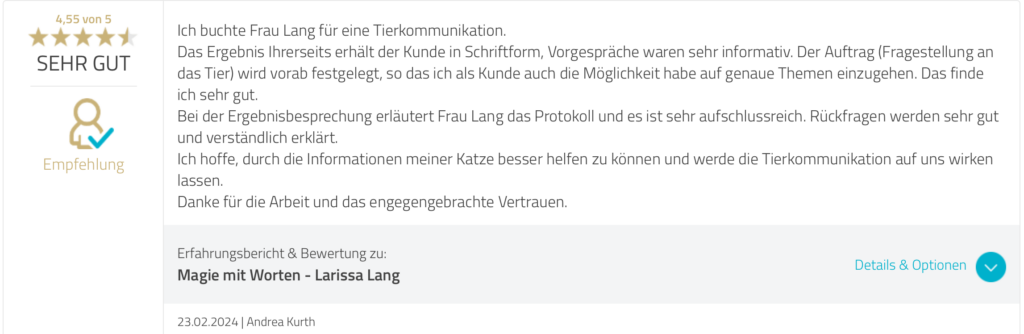
I booked Ms. Lang for an animal communication session.
The client receives the result in writing, preliminary talks were very informative. The assignment (questions for the animal) is determined in advance, so that I as the client also have the opportunity to address specific issues. I find that very good.
At the results meeting, Ms. Lang explains the protocol and it is very informative. Any queries are explained very well and clearly.
I hope to be able to help my cat better with the information and will let the animal communication work on us.
Thank you for your work and the trust you have placed in us.
Andrea Kurth
Satisfied dog owner
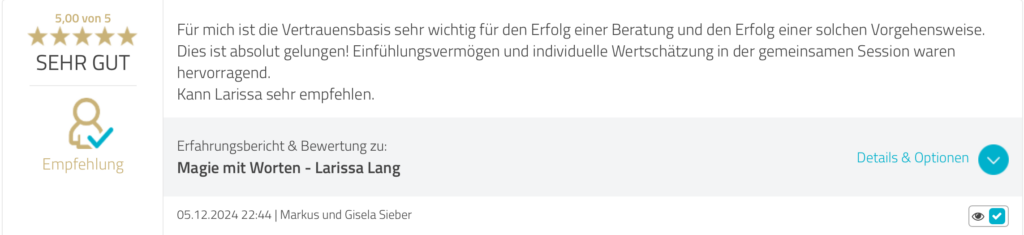
For me, the basis of trust is very important for the success of a consultation and the success of such an approach. This was absolutely successful! Empathy and individual appreciation in the joint session were outstanding.
I can highly recommend Larissa.
Markus und Gisela Sieber
Satisfied clients
Your next step: From rider to unbeatable team
If you are ready to overcome the final barrier in your partnership and find the mental strength that will lead you to true excellence, then act now.
This is not a substitute for training, but the key to unleashing the full potential of your talented partner.
Book animal communication now that can change your relationship. Hear what your athlete has been trying to tell you for so long.
Note:
Animal communication and / or surrogate work are not a substitute for veterinary treatment.
However, after consultation with the practitioner, animal communication and / or surrogate work can be used as a supportive measure.
Furthermore, there is no guarantee that the animal will always provide information or, if applicable, suggest solutions.